Macro-Trends Fall–Winter 2025 (Europe)
AI-driven storytelling
Essence. In Europe, AI is no longer just a tool for automation — it’s becoming a language of cultural storytelling. Luxury and fashion brands are leveraging generative AI to craft visual worlds that convey core values such as sustainability, local identity, and emotional depth. The human touch remains at the core — AI is a tool and a collaborator, but the creative vision stays deeply human.
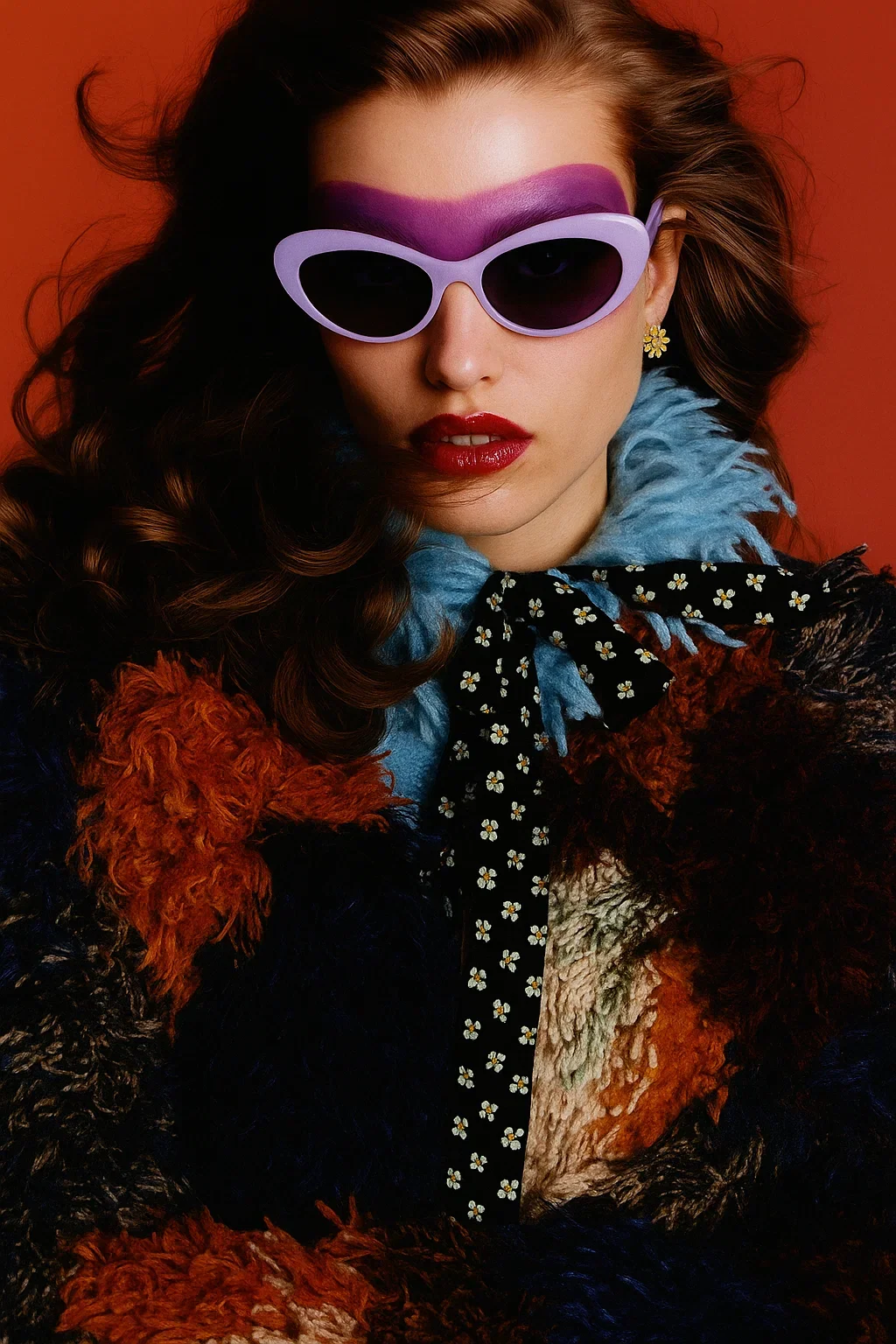
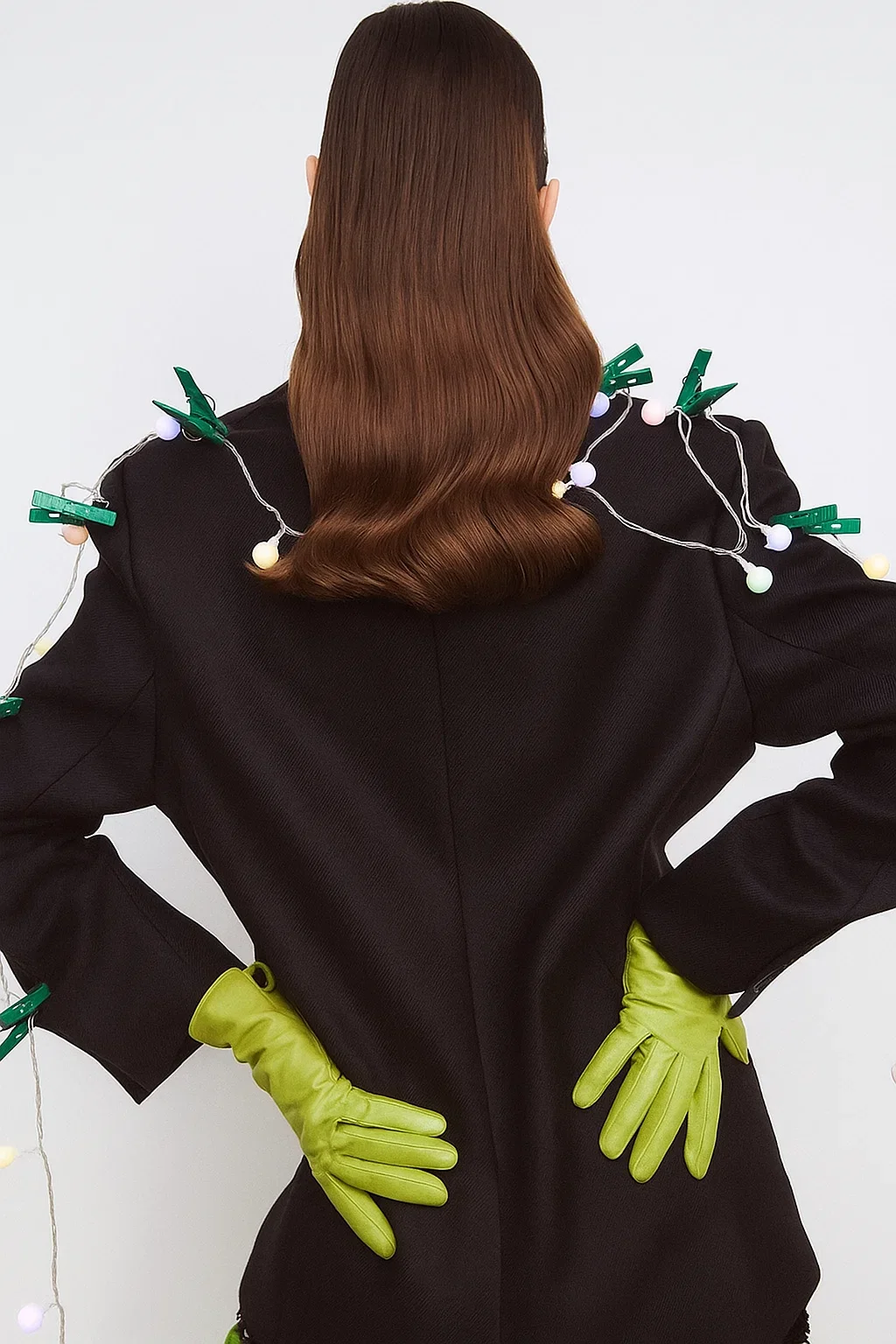
AI adoption continues to grow, but 43% of consumers remain skeptical of advertising created with artificial intelligence. This makes it crucial for brands to ensure transparency and ethical content production. Technology should serve to reveal values and cultural codes, not dominate the creative process in a way that turns content into something artificial and impersonal.
AI unlocks creative potential and enriches storytelling — but it doesn’t replace it.
Cédo’s Role: We approach AI not as a filter, but as art direction: building capsule visual systems, shaping textures, mood, and light, telling your story, and creating campaigns for beauty and luxury.

Micro-Campaigns, TikTok,
and Social Media
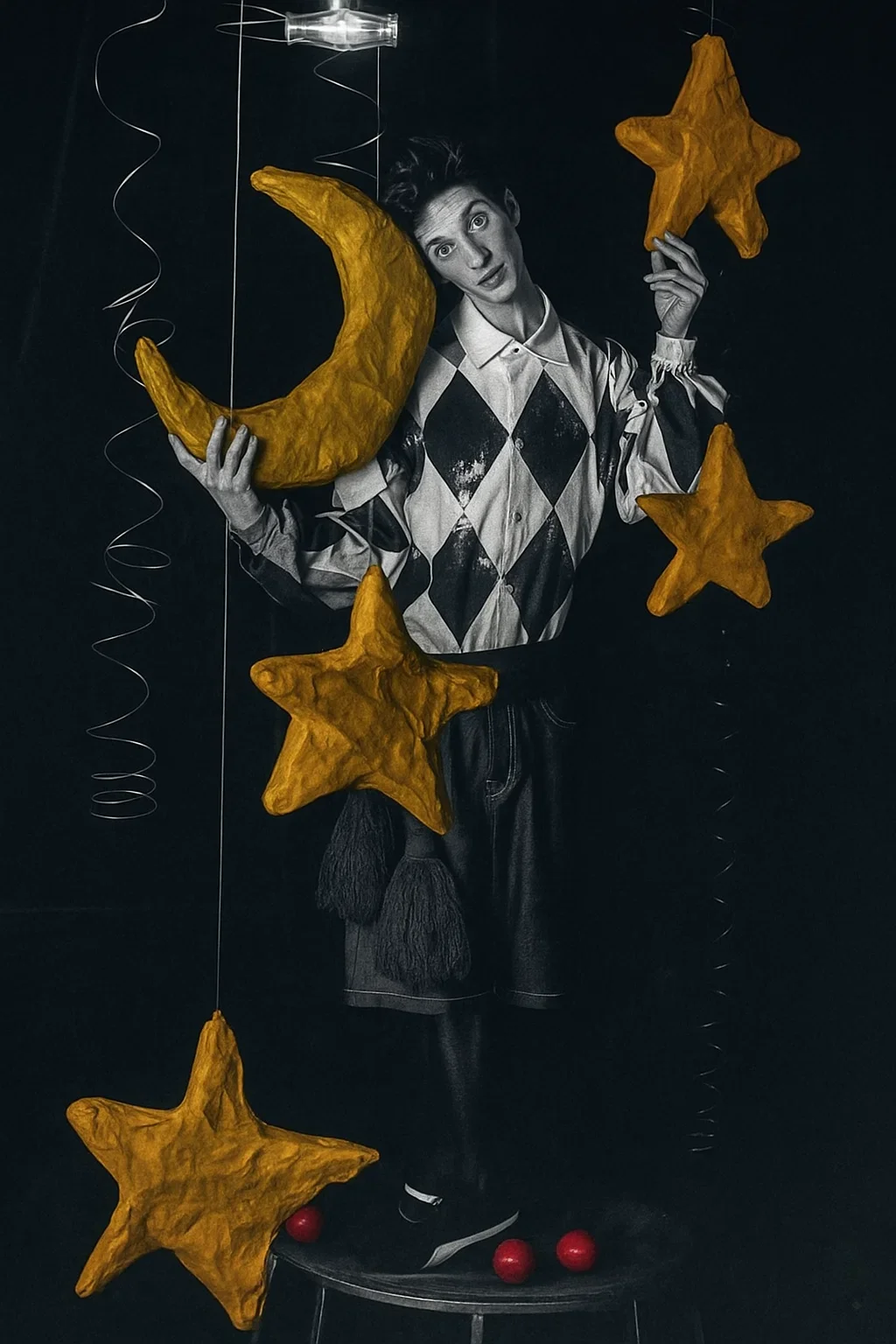
Essence. Brands are shifting away from long-term campaigns (a month or more) toward compact, impulse-driven activations — fresh, buzz-driven, and designed to spark resonance at the peak of cultural relevance.
Reason. Trends fade faster than ever, constantly being replaced by new ones. This requires an almost instant response. Micro-trends allow brands to adapt quickly and drive stronger engagement, but it’s essential to stay grounded in brand values rather than blindly chasing fleeting hype.
Result. Video has long been the dominant format across social media, but the explosive rise of TikTok, Instagram Reels, and YouTube Shorts has pushed short-form content to the forefront. Their format perfectly suits rapid-fire, short-term ad campaigns.
In FMCG, TikTok in Poland has proven to be 58% more effective than average media channels, delivering the highest ROI across all groups. For retail in Poland, TikTok outperformed average media by 48%.
A Durex campaign on TikTok even drove a 14% increase in offline sales.
According to a recent study of over 3,000 luxury consumers in the UK, US, France, and Italy, TikTok has become one of the fastest-growing channels for both discovery and direct purchases in the luxury category. While the global personal luxury goods market declined by 2% in 2023, Europe saw growth of 3%.
Cédo’s Role: We know how to launch AR mechanics, AI-powered videos, and creative assets within days — from concept to TikTok campaign. Our approach focuses on rapid hypothesis testing, short UGC challenges, and tailoring micro-trends to align with brand values.
Community-Driven Activations
Essence
Across Europe, street-level marketing is making a strong comeback: local pop-ups, festivals, and creator studios. Consumers crave physical contact — opportunities to step away from virtual spaces, connect with like-minded people, and experience brands up close. In response, brands are building “phygital” bridges, from capsule stores to AR zones in shopping centers.

Adidas Runners Community Get-Together — offline events for the running community, including Adidas Runners City Night 2025 in Berlin: part festival, part community run, with live zones and deep local engagement.
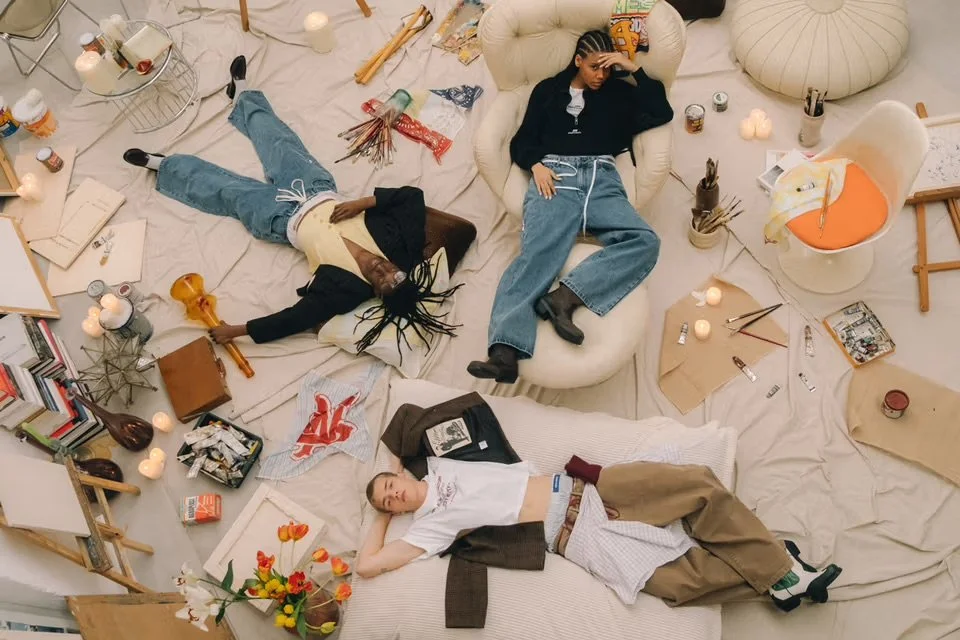
Eme Studios — the Spanish streetwear brand reintroduced its pop-up format, relocating from Madrid to Barcelona. Label Rose — an Italian fashion brand successfully experimenting with pop-up experiences. Cap Shop x New Era — hosted an exclusive pop-up in Barcelona for urban culture enthusiasts.

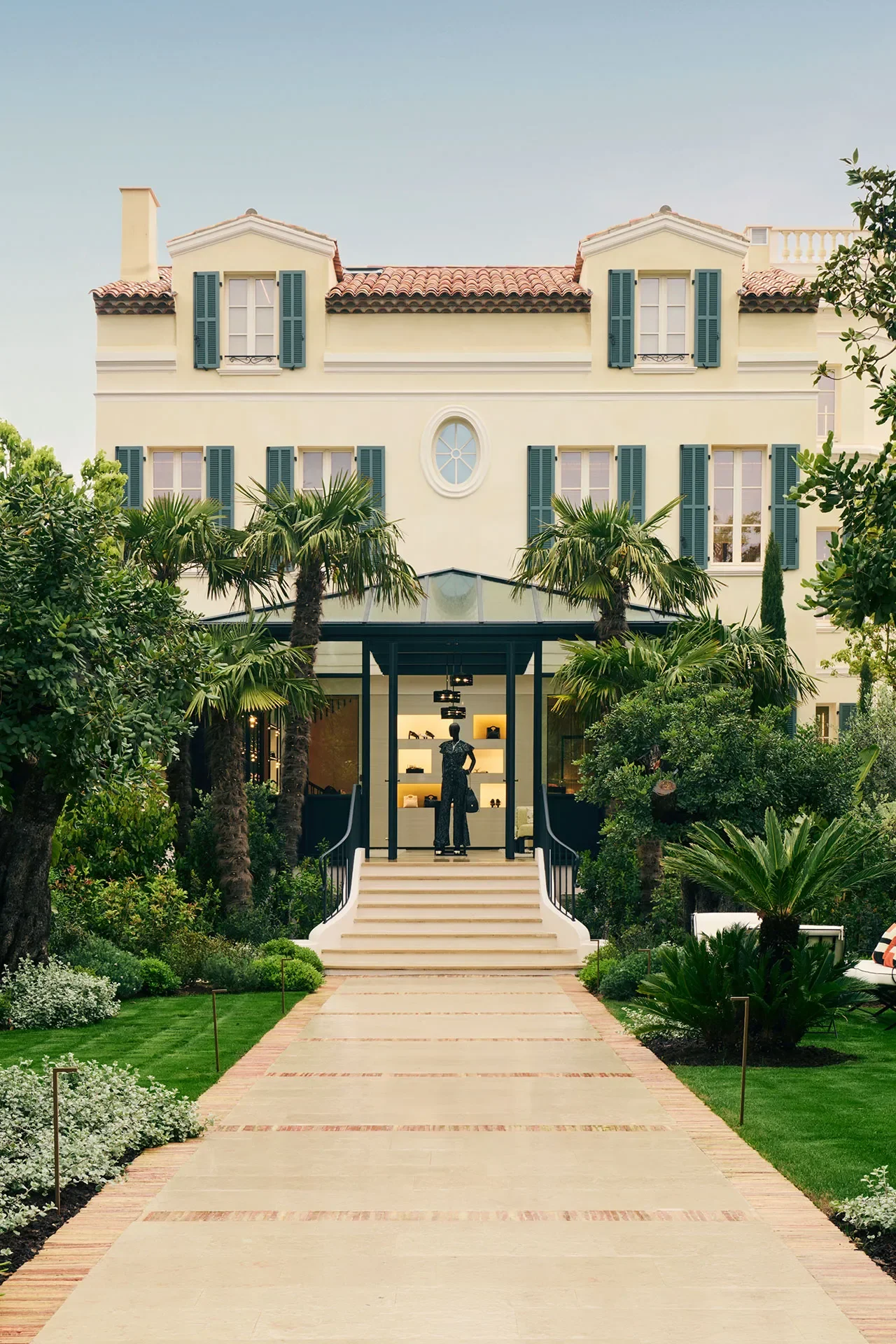
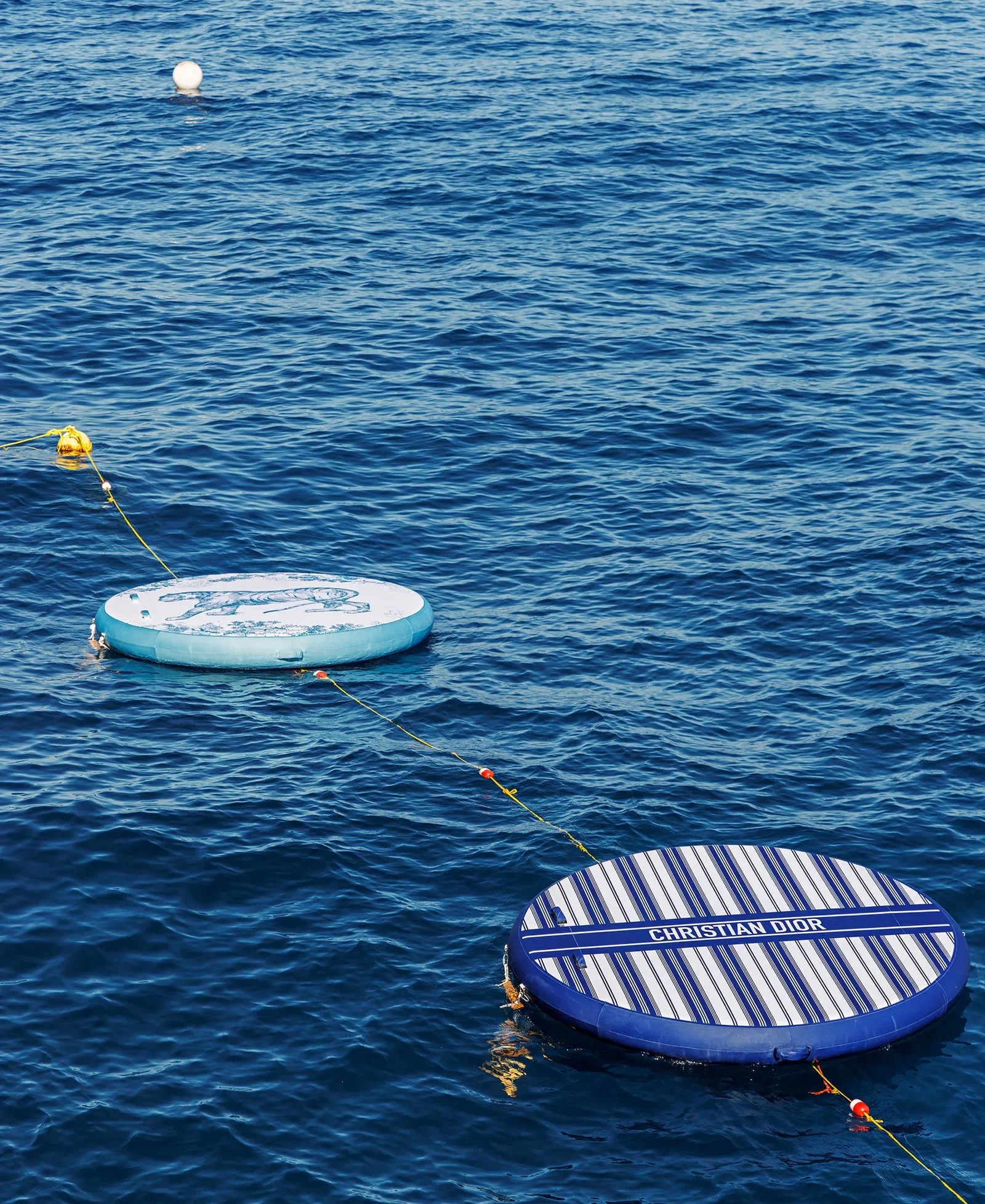
Luxury summer pop-ups — Dior, Chanel, Louis Vuitton, Jacquemus, and others launched seasonal capsules and exclusive activations in resort destinations such as Ibiza, Monaco, Saint-Tropez, and Portofino. Their goal: high-spending tourists and PR reach.
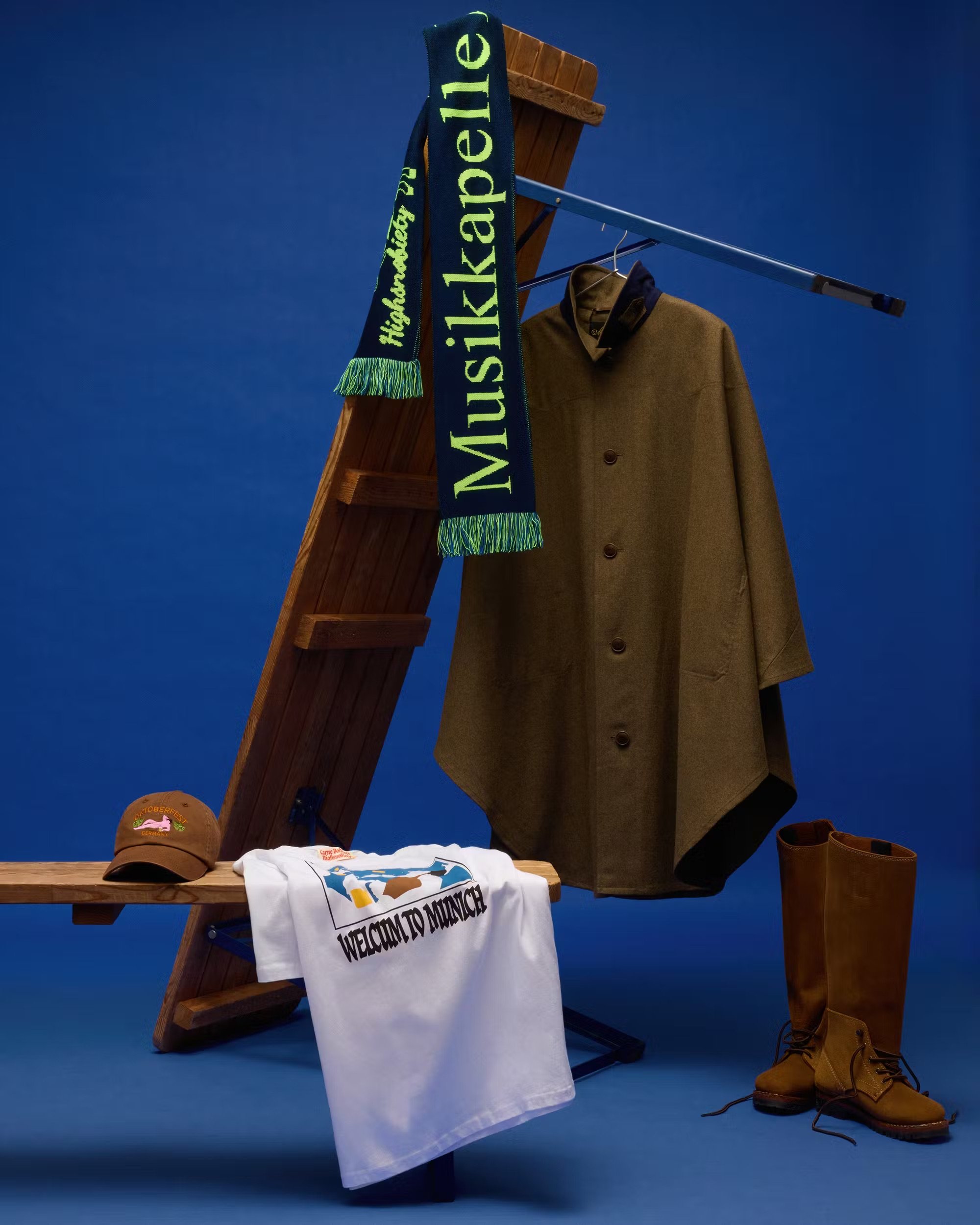
Oktoberfest, Germany — brands use capsules and collab merch to tap into the cultural moment.
Cédo’s Role: We design pop-ups, co-creation events with creators, and integrations that drive real engagement.
Storytelling is built community-first, with event creation tailored to brand goals.
Emotional & Value-Driven Marketing
Essence. The European market is especially receptive to emotional and value-based storytelling. Brands win when they tap into family values, cultural identity, and social or sporting codes. Spanish football, German festivals, French fashion, and Scandinavian sustainability are powerful cultural anchors.
Consumers are drawn to brands that provide emotional utility, not just aesthetic appeal. Storytelling is shifting away from polished perfection toward something more personal and authentic.

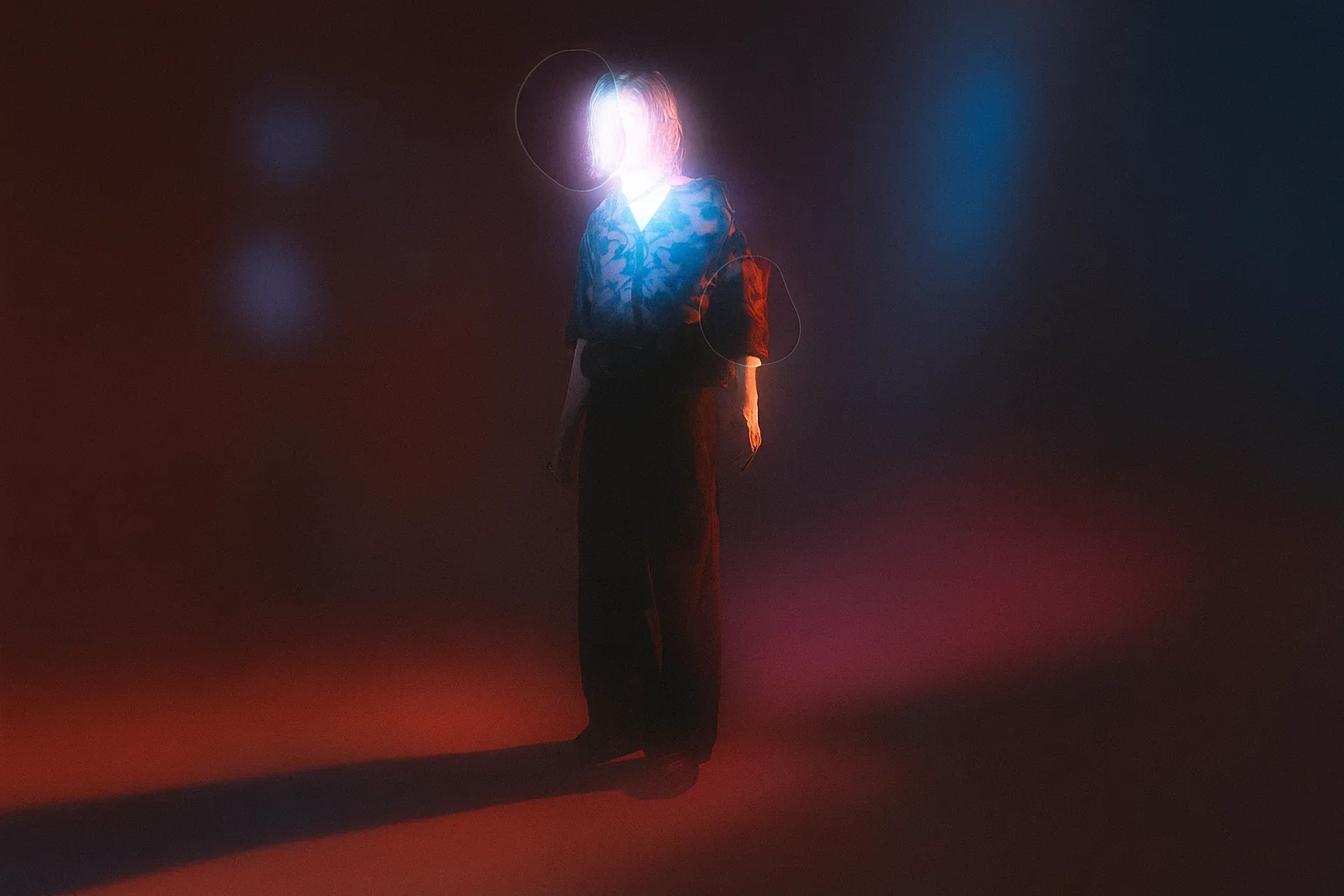
Henkel / Schwarzkopf. Instead of traditional product advertising, their campaign told human stories — for example, Sheila, an 87-year-old woman, dyed her hair pink to express herself. The results: 90% recommendation rates, stronger purchase intent, and higher brand value. Henkel proved that emotions are now a decisive success factor.

According to Kantar, emotional campaigns increase future demand for a brand by 61% and boost engagement by 50%. The same study notes that German campaigns are 20% less “emotional” than the European average, relying more on rational messaging: product features, numbers, recommendations. The German market is in need of an “emotional shift.”
McDonald’s — When the brand brought back the Chicken Snack Wrap, it published an open letter admitting that the decision came directly from community demand. The post received thousands of reactions. McDonald’s continued to build on user-generated content — comments, memes, even updating its Facebook cover with fan quotes. When a brand shows transparency and responds to real community voices, virality happens naturally.

The Power of Generosity and Values. The WARC Awards 2025 jury highlighted that the best campaigns are often built around the idea of generosity, not just the product. This approach creates a positive ripple effect and lasting audience resonance. Today, it’s not only about selling a quality product — it’s about helping, contributing, and adding value to society.
Cédo’s Role: We know how to package brand values into visual worlds:
Capsule systems that adapt to cultural codes
Emotional storytelling through AI worlds — creating campaigns where a brand doesn’t just sell, but speaks the language of emotions.
Community activations (pop-ups, creator events) that integrate cultural markers and turn them into UGC virality.
Texture in Branding
Essence
European design is moving away from smooth digital visuals toward a sense of texture and depth: grain, metal, the feel of raw material. Even in digital, visuals are expected to feel tactile. It’s the idea of perfection in imperfection. Texture has become a trend across both digital and offline spaces. Craft, nature, and authenticity are the visual codes of 2025.
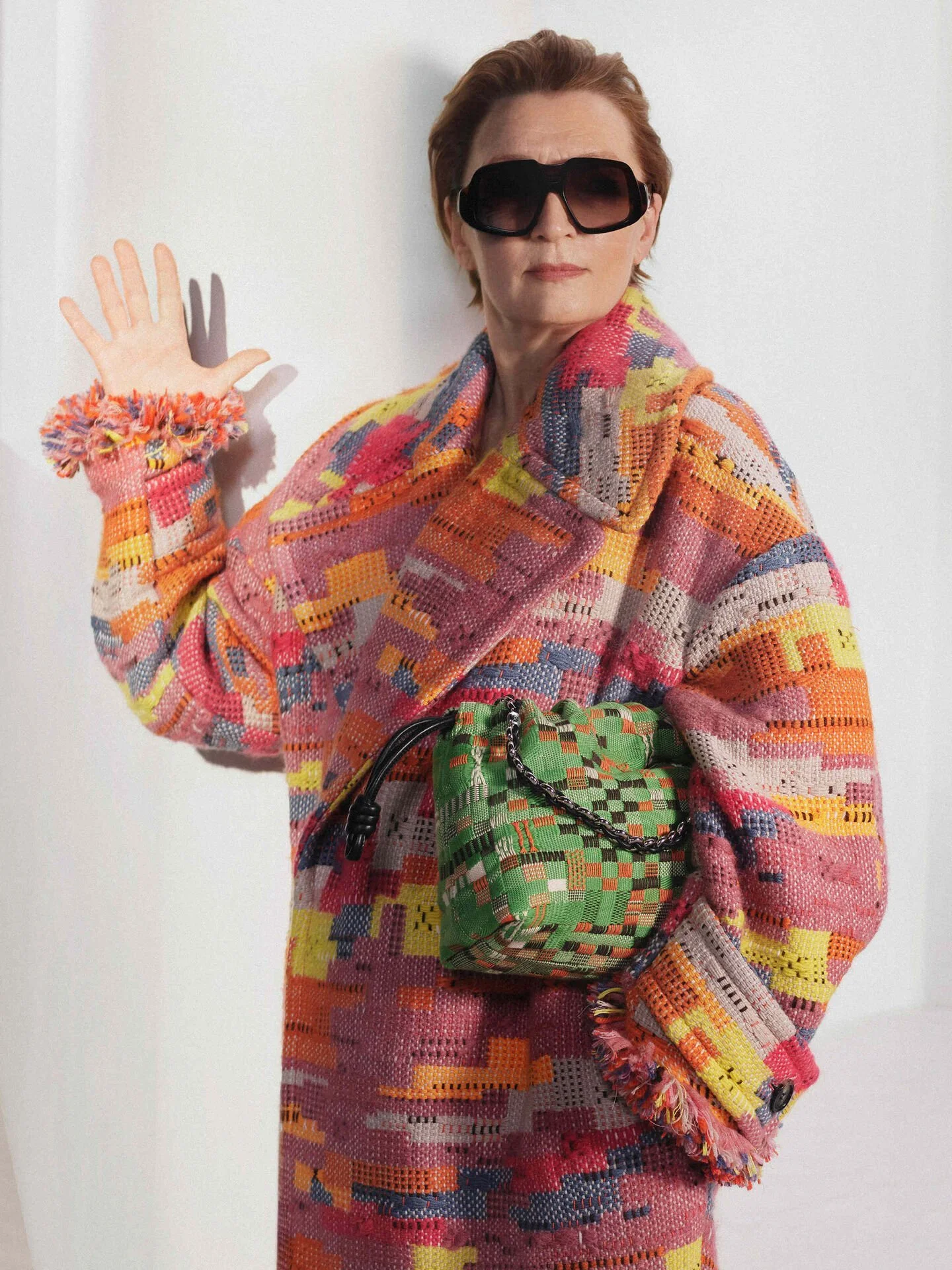
LOEWE (Spain), FW25 Collection — an intentionally tactile aesthetic that translates seamlessly into digital through close-up material shots, textured frames,
and sensory-driven visuals.
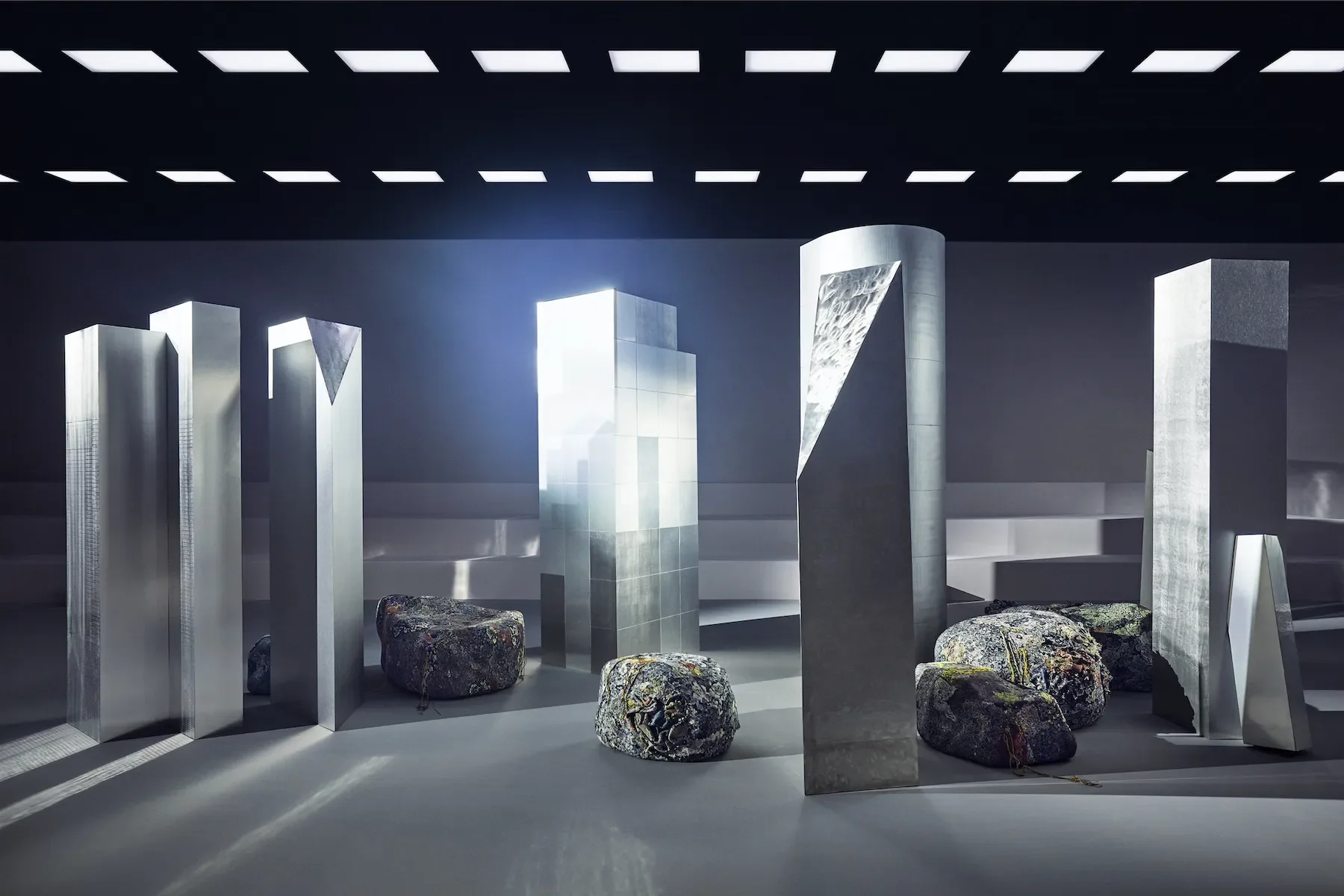
Acne Studios — integrating materiality and texture into design and visual direction. The brand constructs a “world” with tangible surfaces: set designs exploring nature vs. city, oversized forms, and raw textures.
Cédo’s Role: We use “texture” as both a visual and strategic depth layer: AI-built material worlds, AR scenography and tactile effects.

Seasonal Sparks (Fall–Winter Europe)
The European market follows a dual logic. On the one hand, there are pan-European holidays and cultural seasons that all brands build campaigns around — Christmas & New Year, Halloween. These events set the rhythm of end-of-year marketing, shape audience expectations, and ensure the widest reach.
On the other hand, each country amplifies this calendar with its own national specifics: Oktoberfest in Germany, Día de la Hispanidad in Spain, Fête Nationale in France. These holidays give brands the opportunity to demonstrate local sensitivity, engage with communities, and create storytelling that blends cultural identity with contemporary digital formats.

Christmas & New Year
Brands launch their campaigns as early as November. Capsule visuals allow for an instant adaptation of the holiday mood across different channels: social media, email, pop-ups. A major trend is AI-powered “future Christmas” aesthetics (utopia, nostalgia, retro) paired with emotional storytelling.
Another key trend is the rise of themed collections and limited-edition products. For example, Starbucks has already introduced its Holiday Merchandise and Holiday Menu. This creates a sense of urgency — the feeling that you need to get it before it’s gone — with demand driven by scarcity.
In 2025, Europe values cultural heritage but craves fresh reinterpretations. AI makes it possible to tailor narratives for different generations: Gen Z gravitates toward futurism, while millennials resonate with nostalgia.
Cédo’s Role
We design Christmas & New Year capsule systems, AI worlds (from futuristic to retro-nostalgic), and TikTok Shop UGC challenges — like “Unbox Your Nostalgic Christmas."
Halloween
Europe experiences Halloween in different ways: costumed flash events, AR masks, UGC challenges, and early campaign launches.
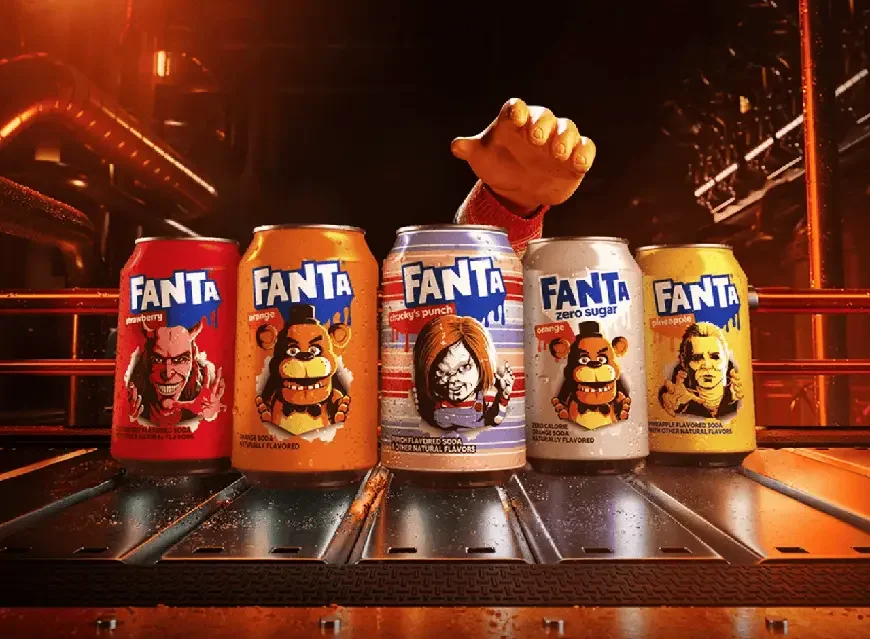
Fanta España rolled out its Fábrica Encantada campaign — limited-edition cans featuring horror icons (Chucky, Freddy Fazbear) plus a QR-based game with prizes.
IKEA launched a campaign under the slogan “La convivencia no tiene por qué ser un horror” (“Living together doesn’t have to be a horror”). The campaign highlighted solutions that make shared living easier through new IKEA products. Even during Día de los Muertos, Spain used the moment to reinforce family values.
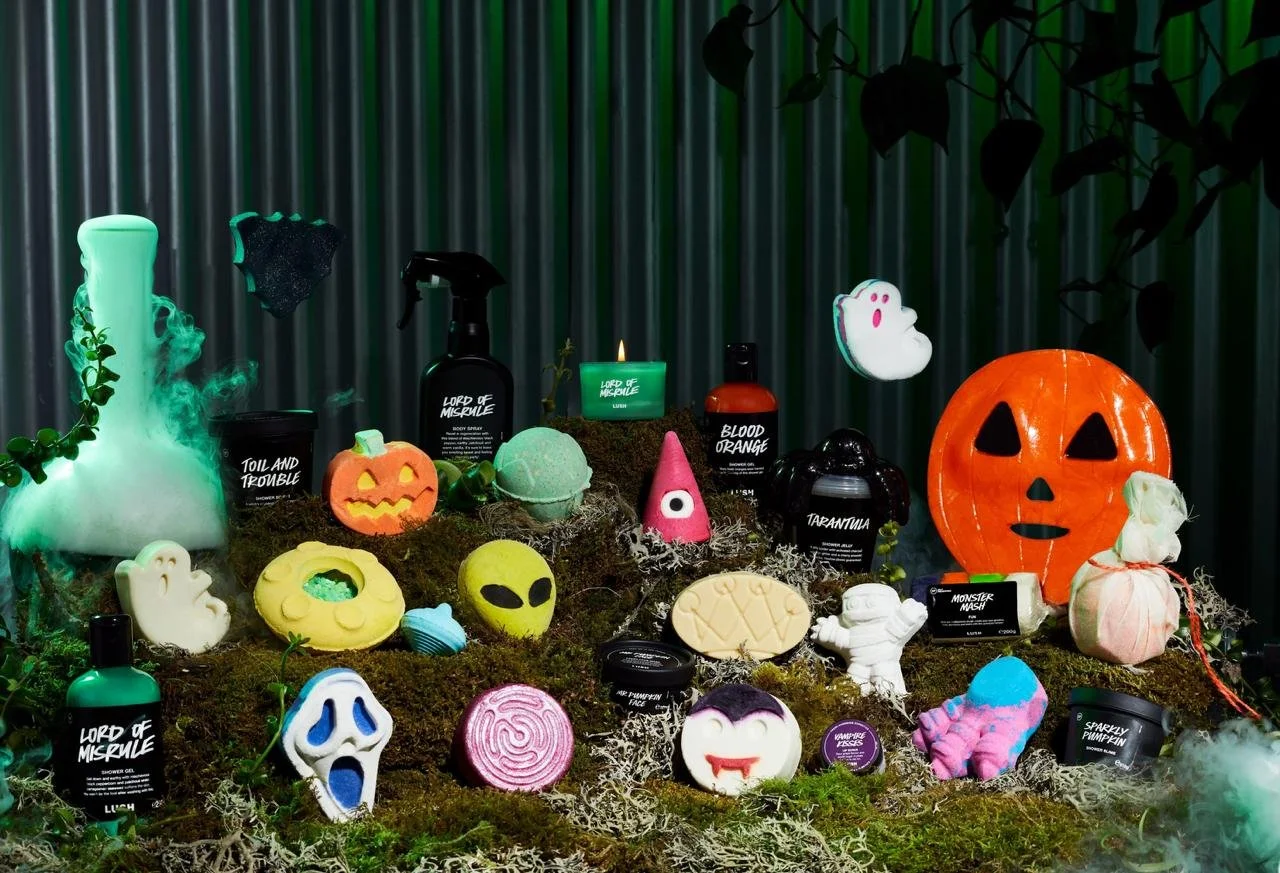
Lush went even further, launching its Halloween collection as early as August 21.
Cédo’s Role:
We design flash drops on TikTok Shop (“24-hour spooky drops”), AI visuals, and “spooky transition” challenges that drive impulse purchases and UGC creation. Campaign architecture tailored to national specifics and evolving trends.
Oktoberfest (Germany)
FMCG and fashion brands integrate into the festival atmosphere through limited-edition merch, pop-ups and collaborations with creators. Storytelling centers around community and tradition.
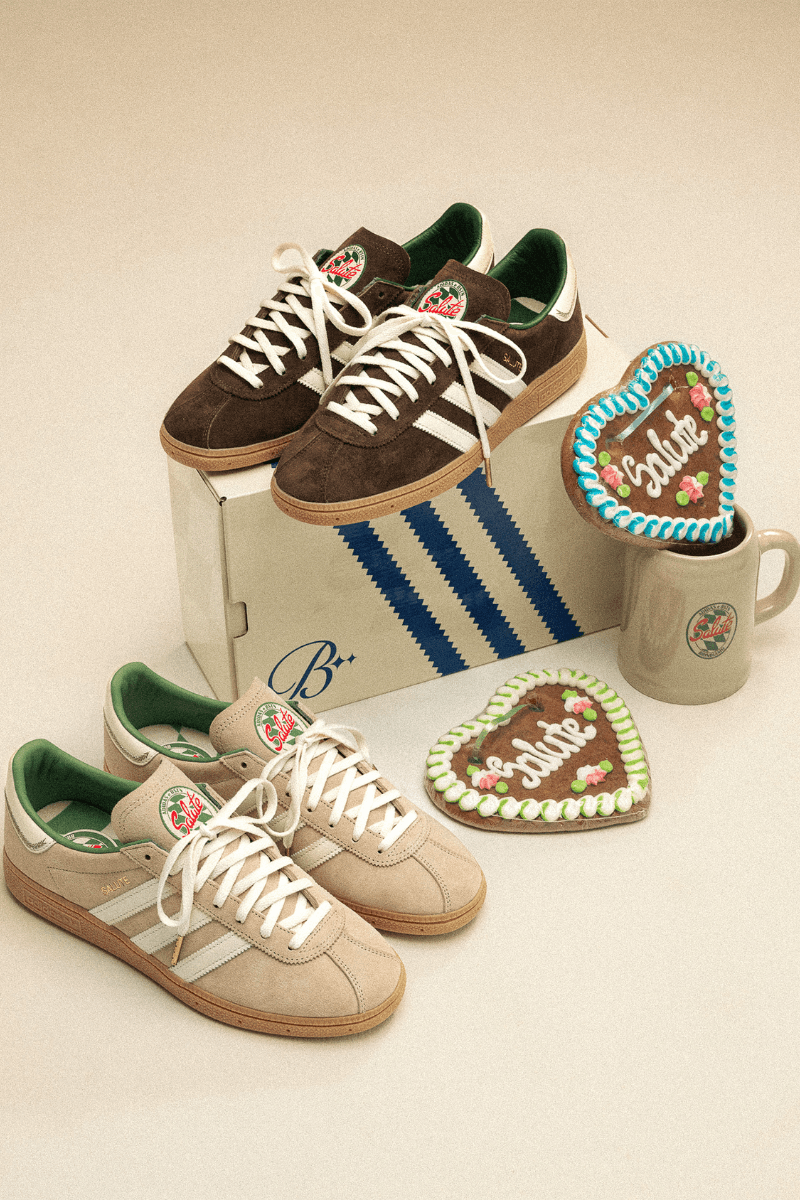
Adidas x BSTN celebrated Oktoberfest with a Mediterranean twist, while COOFANDY, EKOUAER, and Zeagoo hosted an offline pop-up event at Munich’s Substanz club.
Cédo’s Role: We create capsule visual systems with Bavarian aesthetics — grain, wood, atmosphere — and integrate AR mechanics such as virtual beer steins, costumes for TikTok, and digital merch.
European Market-Specific Insight: TikTok Shop Europe
TikTok Shop is rapidly expanding across Europe — and 2025 marks its transformation into a major sales channel.
In spring 2025, TikTok Shop officially launched in Germany, France, and Italy, featuring brands such as ABOUT YOU, cosnova (Essence & Catrice), and Nivea.
Launched on March 31, 2025, the TikTok Shop quickly caught the attention of French consumers. Just one week after its debut, 42% of French users said they were aware of the new feature, and 36% expressed willingness to shop there. Carrefour listed between 200 and 300 non-food items and hosted weekly live shopping sessions with popular creators.
Fashion as a Key Category. Сlothing and fashion rank among the top-performing categories on TikTok Shop across markets including France, Spain etc.
Seller Positioning by Country. Seller activity is concentrated in the UK and France, with Germany maintaining steady engagement, while Spain and Italy show strong growth potential as emerging opportunity markets.

Cédo’s Role:
Capsule campaigns where creators act as co-creators, not just promoters
UGC content at scale
AI-powered visuals
Trend scouting & cultural analytics to detect viral formats early
Data-driven insights to link storytelling with measurable sales growth